Laparoscopy can reduce wound pain and shorten hospital treatment, but its value depends on the condition, urgency, anatomy and surgeon’s experience. By the end, you will know how the operation works, when its benefits apply, when open surgery is safer, and what to compare before agreeing to a procedure.
Key takeaways
- Small incisions can reduce wound pain and support earlier movement.
- Ask whether your condition is suitable for laparoscopy or open surgery.
- Seek urgent assessment for severe pain, persistent vomiting or a rigid abdomen.
- Compare recovery time, risks, surgeon experience and conversion plans before choosing.
How laparoscopy works and where its benefits come from
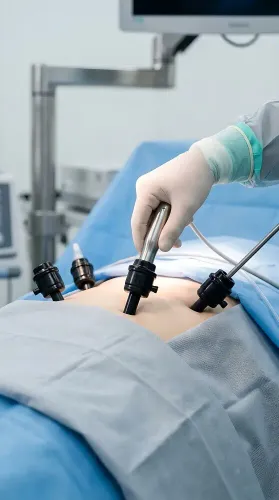
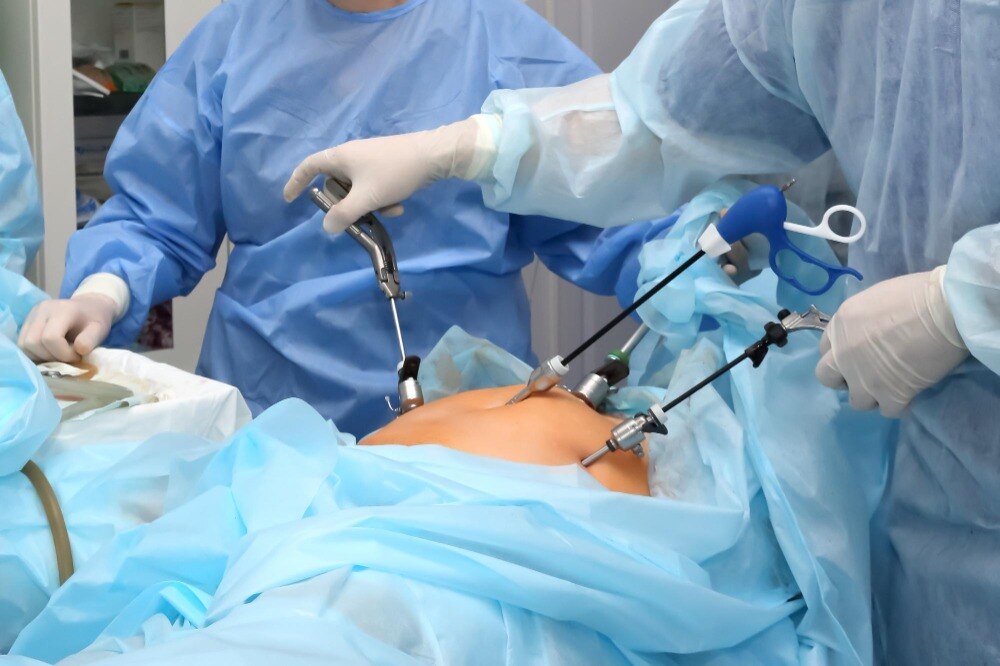
Laparoscopy explained in plain terms: the surgeon makes small incisions rather than one long abdominal opening. Carbon-dioxide insufflation gently expands the abdomen, creating working space. A camera port carries a narrow telescope and light, while working ports carry instruments.
The surgeon watches a magnified image on a screen and guides dissection, cutting and sealing through those ports.
Smaller wounds usually mean less disruption of the abdominal wall, reduced wound pain, earlier movement and a shorter hospital stay. These gains are most reliable when the disease is localized, the operation is planned and the surgeon regularly performs it laparoscopically.
Camera-guided instruments and electrosurgical or ultrasonic devices provide the benefit; “laser-assisted” does not automatically make an operation better.
Laparoscopy does not remove serious surgical risks:
- Port sites can bleed, become infected or later develop an incisional hernia.
- Instruments can injure the bowel, bladder or blood vessels.
- Carbon-dioxide insufflation can affect heart and lung function, which matters in severe cardiopulmonary disease.
- Poor visibility from inflammation, adhesions or bleeding can require conversion to open surgery. That is a safety decision, not necessarily a failed operation.
Your recovery depends on the operation, not just the small incisions. Bowel resection, hernia repair and gallbladder removal have different pain patterns, restrictions and internal-healing timelines, so early discharge never means heavy lifting is immediately safe.
Which abdominal conditions benefit most from laparoscopy?
The clearest benefits occur in elective, localized conditions where the surgeon routinely uses laparoscopy. A smaller skin incision does not remove internal healing time, lifting restrictions or serious complications.
| Condition | Likely benefit | Important risks or limits |
|---|---|---|
| Gallstones | Laparoscopic gallbladder surgery is the standard approach for symptomatic gallstones, with smaller wounds and quicker recovery than open removal. | Bile-duct injury, bile leakage, bleeding and infection remain possible; severe inflammation can require conversion to open surgery. |
| Appendicitis | Laparoscopic appendectomy usually causes less wound infection and pain, with a shorter stay and faster recovery. | Perforation raises the risk of intra-abdominal abscess, bleeding and bowel injury. |
| Inguinal hernia | Laparoscopic inguinal hernia repair can reduce wound discomfort and treat both groins through the same access. | Recurrence, mesh pain, urinary problems and injury to bowel, bladder or blood vessels remain possible. |
| Ventral hernia | Laparoscopic ventral hernia repair has a lower surgical-site infection rate than open repair. | Seroma, recurrence, mesh or trocar-related bowel injury and later procedures remain possible; very large or complex defects may need open repair. |
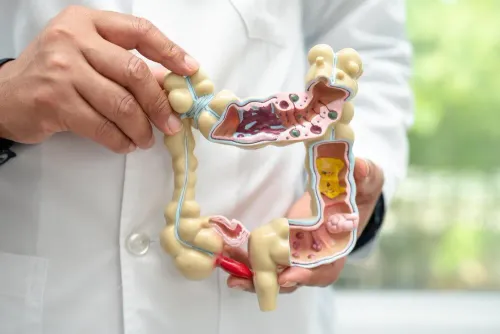
| Bowel and colorectal disease | Selected resections for diverticular disease, benign obstruction or colorectal cancer can mean smaller wounds and earlier mobilisation. | Adhesions, inflamed tissue, cancer extent or poor visibility can make open surgery safer; bowel leaks and infection remain serious risks. |
Recovery depends on the operation, not merely the word laparoscopic. Ask how long you must avoid heavy lifting after an inguinal hernia repair, ventral hernia repair or bowel resection, and whether your heart or lung condition increases anaesthesia risk.
When symptoms require urgent assessment or open surgery
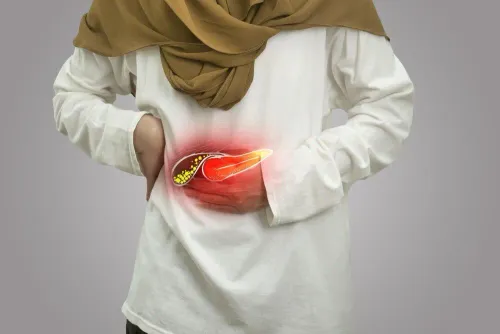
Severe or worsening abdominal pain, a rigid or swollen abdomen, repeated vomiting, fainting, high fever, confusion, or yellow skin needs urgent assessment, not elective surgical planning. These signs can indicate sepsis, bleeding, obstruction, or a leak such as perforated appendicitis. Emergency abdominal surgery may be necessary.
Planned laparoscopy is best supported by a stable patient, localized disease on examination or imaging, no uncontrolled infection, and anatomy that the surgeon can identify safely. An experienced team must also be ready to convert to open surgery without delay.
| Finding | What it means for the approach | Why open surgery may be safer |
|---|---|---|
| Stable, localized disease | Planned laparoscopy often fits | The camera and instruments can reach the target with limited tissue disruption |
| Perforated appendicitis or diffuse peritonitis | Urgent operation; laparoscopy remains possible | Pus, inflamed tissue, or severe sepsis can obscure anatomy and raise abscess risk |
| Dense adhesions | Laparoscopy may take longer or require conversion | Scar tissue can hide bowel and increase the risk of bowel injury |
| Uncontrolled bleeding or unstable vital signs | Resuscitation and rapid surgical control take priority | Open access can provide faster exposure |
| Bulky cancer or invasion into nearby organs | Planned open surgery or conversion may be needed | The surgeon must see the tumor and obtain safe margins |
| Poor visibility or uncertain anatomy | Convert rather than dissect blindly | Identifying the bile duct, blood vessels, bowel, or tumor boundaries safely comes first |
Conversion is a safety decision, not automatically a complication or failure. A smaller incision is useful only when it does not compromise infection control, bleeding control, or cancer margins.
Laparoscopic, open and robotic surgery: what should you compare?
Incision size is the clearest physical difference: laparoscopy and robotic surgery use several small cuts, while open surgery uses one larger incision. All three approaches usually require general anaesthesia, so the choice is not a way to avoid being unconscious.
| Approach | Incision and anaesthesia | Operating time and hospital stay | Pain and recovery | Total cost |
|---|---|---|---|---|
| Laparoscopic | Two to five small ports; usually general anaesthesia | Often shorter stay; operating time varies by procedure and experience | Less early wound pain and faster return to activity than open surgery | Equipment, disposable instruments or longer anaesthesia can narrow the saving |
| Open | One larger incision; usually general anaesthesia | Often longer operation-related recovery and hospital stay | More incision pain and slower recovery | Lower equipment cost, but hospital care and recovery time can increase the total |
| Robotic | Several small ports controlled from a console; general anaesthesia | Setup can lengthen operating time; stay is often similar to laparoscopy | Similar small-incision recovery, with advantages in selected complex procedures | Robotic equipment and operating-room time often make it the most expensive option |
These are averages, not promises. Severe inflammation, bleeding, dense adhesions or unclear anatomy can force conversion to open surgery; an operation planned as open may be safer from the start. Ask for the expected operating time, hospital stay, pain plan and full bill, including surgeon, anaesthesia, theatre, consumables and treatment if complications occur.
How to choose a surgical plan and prepare for recovery
The safest plan depends on the operation, your health and the surgeon’s ability to convert to open surgery if visibility or bleeding becomes a problem. Ask about surgeon experience with your exact procedure, expected operating time, anaesthesia, complication risks and the signs that would change the approach.
Ask the team:
- What did the preoperative assessment find, and do I need heart, lung or blood tests?
- When should I stop and restart blood thinners, including aspirin or warfarin?
- How should I adjust diabetes medicines on the fasting day?
- For hernia repair, why is this hernia mesh choice suitable, and what are the risks of infection, chronic pain, bowel injury or recurrence?
- Which restrictions apply to my operation, rather than to laparoscopy in general?
| Operation | Recovery issue to plan for | Practical question |
|---|---|---|
| Gallbladder removal | Shoulder-tip gas pain and nausea can affect the first day | Who will take me home, and what pain relief is prescribed? |
| Hernia repair | Lifting restrictions depend on the repair and defect | When can I drive, work and lift my child? |
| Bowel resection | Bowel function, eating and wound review can delay discharge | What symptoms require urgent contact after going home? |
Arrange an adult escort, transport, help with meals and childcare, and a clean sleeping area without unnecessary stairs. Keep prescribed medicines, dressings, written emergency contacts and follow-up details within reach. Dr Chirag Vaja can help patients weigh the proposed approach against their medical history and the recovery demands of the specific operation.
Related services
Laparoscopic Surgery Laparoscopic Surgery (Gallbladder Stones,Appendix) Laparoscopic Surgery (Gallbladder Stones & Appendix) Laparoscopic surgery is a modern, minimally invasive surgical technique used to treat conditions... View service → |
Hernia Surgery Hernia Surgery (Open & Laparoscopic) Hernia Surgery Hernia surgery is a safe and effective procedure to repair a weakness or opening in the abdominal wall through which internal tissue... View service → |
Frequently asked questions
How does laparoscopic surgery work?
The surgeon uses carbon-dioxide insufflation to create working space, then operates through small ports with a camera and instruments.
Which abdominal conditions benefit most from laparoscopic surgery?
Conditions such as gallstones, appendicitis, hernias and some bowel problems can be treated laparoscopically when your anatomy and clinical condition make it safe.
When does abdominal pain require urgent assessment?
Seek urgent care for severe or worsening pain, persistent vomiting, a rigid or swollen abdomen, fainting, fever with deterioration, or blood in vomit or stool.
How do laparoscopic, open and robotic surgery compare?
Compare incision size, visibility, operating approach, recovery demands, risks, cost, surgeon experience and the plan if laparoscopy must be converted to open surgery.
How should you prepare for recovery after laparoscopic surgery?
Ask about fasting, medicines, wound care, activity limits, pain control, warning signs, follow-up and when you can return to work or driving.