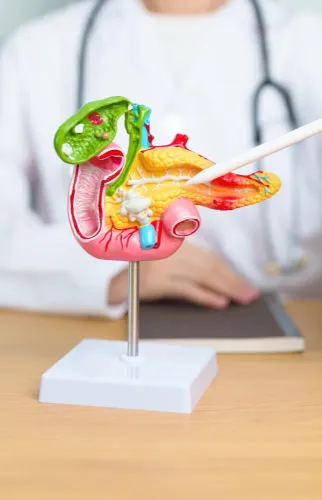
Digestive issues are easy to ignore, especially when they appear occasionally. Many people rely on over-the-counter medicines for acidity, bloating, or stomach discomfort, assuming the problem will resolve on its own. While this may work for minor concerns, persistent digestive symptoms often indicate an underlying condition that deserves medical attention.
If you live in Kharghar or nearby areas such as Kamothe, Kalamboli, or Panvel, understanding when to consult a gastroenterologist can help prevent complications and ensure timely treatment.
What Does a Gastroenterologist Treat?
A gastroenterologist specializes in diagnosing and managing conditions affecting the digestive system. This includes the food pipe, stomach, liver, gallbladder, pancreas, small intestine, large intestine, and rectum.
Common conditions include:
- Acid reflux (GERD)
- Gastric ulcers
- Gallstones
- Fatty liver disease
- Irritable Bowel Syndrome (IBS)
- Inflammatory bowel disease
- Digestive bleeding
- Chronic constipation
- Persistent diarrhoea
- Gastrointestinal infections
Some patients may also require evaluation by a gastrointestinal (GI) surgeon if surgery becomes the most effective treatment option.
Signs You Shouldn't Ignore
Many digestive disorders develop gradually. Seeking medical advice early can prevent them from becoming more serious.
You should consider consulting a specialist if you experience:
- Frequent stomach pain
- Persistent bloating after meals
- Difficulty swallowing
- Chronic acidity despite medication
- Blood in stools
- Unexplained weight loss
- Nausea lasting several days
- Repeated vomiting
- Long-term constipation or diarrhoea
These symptoms may have multiple causes, making proper diagnosis essential.
Why Self-Medication Can Delay Recovery
Many digestive symptoms temporarily improve with antacids or painkillers. However, treating symptoms without identifying the cause may delay appropriate care.
For example:
- Recurring acidity could indicate GERD.
- Upper abdominal pain might be caused by gallstones.
- Persistent abdominal discomfort may require imaging or endoscopy.
- Recurrent infections could point to an underlying digestive disorder.
Rather than repeatedly changing medications, a specialist can recommend investigations that provide clear answers.
What Happens During Your First Consultation?
Patients often worry that visiting a gastroenterologist means undergoing complicated procedures. In reality, the first consultation usually begins with understanding your symptoms and medical history.
The doctor may ask about:
- Duration of symptoms
- Eating habits
- Existing medical conditions
- Previous surgeries
- Current medications
- Family history of digestive diseases
Depending on your condition, additional investigations may include:
- Blood tests
- Ultrasound
- CT scan
- Endoscopy
- Colonoscopy
- Liver function tests
Not every patient requires advanced testing. Investigations are recommended only when clinically necessary.
Lifestyle Habits That Support Digestive Health
While medical treatment is important, everyday habits also play a significant role in maintaining digestive wellness.
Helpful practices include:
- Eating meals at regular times
- Drinking adequate water
- Including fibre-rich foods in your diet
- Limiting processed and oily foods
- Exercising regularly
- Avoiding smoking and excessive alcohol consumption
- Managing stress effectively
These changes can improve digestion and reduce the risk of several gastrointestinal disorders.
Choosing the Right Specialist Matters
Digestive problems often overlap with other medical conditions, making accurate diagnosis essential. Selecting an experienced gastroenterologist who takes a comprehensive approach can help patients receive appropriate treatment rather than simply managing symptoms.
Patients from Kharghar, Kamothe, Kalamboli, and Panvel frequently seek specialist care for concerns ranging from acidity and abdominal pain to gallbladder disease and hernia evaluation. When surgical treatment becomes necessary, minimally invasive techniques often offer quicker recovery and less postoperative discomfort.
Dr Chirag Vaja provides evaluation and treatment for a wide range of gastrointestinal conditions, combining medical management with advanced laparoscopic surgical expertise whenever required. The focus remains on identifying the root cause and recommending the most suitable treatment based on each patient's condition.
Ignoring persistent digestive symptoms rarely makes them disappear. Early consultation often leads to simpler treatment, better outcomes, and greater peace of mind.
Keywords