Gallstones are surprisingly common, yet many people remain unaware they have them until symptoms appear. Some stones stay silent for years, while others cause sudden episodes of severe abdominal pain that disrupt everyday life.
If you're experiencing recurring discomfort after meals in Kalamboli, Kharghar, Kamothe, or Panvel, understanding when gallstones require medical attention can help you avoid serious complications.
What Are Gallstones?
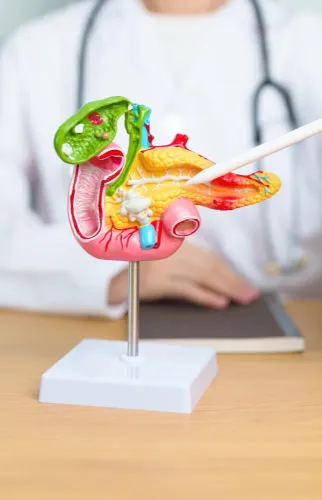
Gallstones are hardened deposits that form inside the gallbladder, a small organ located beneath the liver. The gallbladder stores bile, which helps digest fats.
These stones vary in size. Some are as small as grains of sand, while others can grow much larger.
Not every gallstone causes symptoms, but when a stone blocks the normal flow of bile, it can lead to significant pain and inflammation.
Common Symptoms of Gallstones
Many patients experience recurring symptoms before seeking treatment.
These may include:
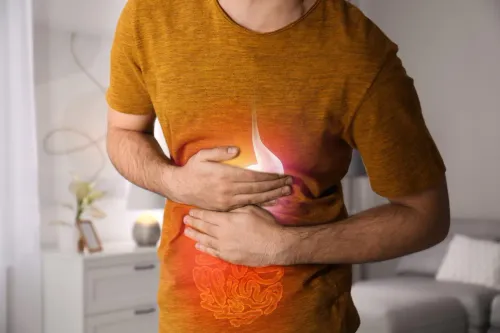
- Pain in the upper right abdomen
- Pain after eating oily or heavy meals
- Nausea or vomiting
- Indigestion
- Bloating
- Pain that radiates to the back or right shoulder
- Recurrent episodes of abdominal discomfort
These symptoms often occur suddenly and may last from several minutes to several hours.
When Should You See a GI Surgeon?
Occasional indigestion doesn't necessarily indicate gallstones, but persistent or recurring pain should never be ignored.
Medical evaluation is recommended if you experience:
- Repeated abdominal pain after meals
- Severe pain lasting more than a few hours
- Fever with abdominal pain
- Yellowing of the skin or eyes (jaundice)
- Persistent vomiting
- Difficulty eating because of pain
Early diagnosis can prevent more serious complications and allow treatment to be planned before an emergency develops.
How Gallstones Are Diagnosed
Diagnosis usually begins with a detailed medical history and physical examination.
Your doctor may recommend:
- Ultrasound of the abdomen
- Blood tests
- CT scan in selected cases
- MRI or MRCP when bile duct stones are suspected
An ultrasound is often the first and most effective imaging test for confirming gallstones.
Is Surgery Always Necessary?
Not every gallstone requires immediate surgery.
Generally:
- Silent gallstones without symptoms may simply be monitored.
- Symptomatic gallstones usually require treatment.
- Recurrent attacks often indicate that surgery is the most reliable long-term solution.
Medication may help in selected situations, but it is not suitable for most symptomatic gallstones and does not consistently prevent recurrence.
What Is Laparoscopic Gallbladder Surgery?
The standard treatment for symptomatic gallstones is laparoscopic gallbladder removal, also called laparoscopic cholecystectomy.
The procedure involves:
- Small incisions instead of one large cut
- A high-definition camera for precise visualisation
- Specialised surgical instruments
- Minimal disruption to surrounding tissues
Patients often benefit from:
- Less postoperative pain
- Smaller scars
- Shorter hospital stays
- Faster return to normal activities
- Lower risk of wound-related complications
Most people can live a normal, healthy life without a gallbladder because bile continues to flow directly from the liver into the digestive system.
Recovery After Gallbladder Surgery
Recovery is generally quicker than many patients expect.
Doctors typically recommend:
- Walking on the day of surgery if advised.
- Starting with light meals before returning to a normal diet.
- Drinking plenty of fluids.
- Avoiding heavy lifting during the initial recovery period.
- Attending follow-up visits to monitor healing.
Most individuals gradually return to their regular routine within a few weeks, depending on their overall health and the nature of their work.
Timely Treatment Can Prevent Complications
Untreated gallstones may lead to gallbladder infection, inflammation, bile duct blockage, or even pancreatitis in some cases. Seeking medical advice early allows these risks to be addressed before they become emergencies.
Patients from Kalamboli, Kharghar, Kamothe, and Panvel often choose minimally invasive treatment because it combines effective relief with a smoother recovery.
Dr Chirag Vaja offers comprehensive evaluation for gallbladder disorders and recommends treatment based on each patient's symptoms, imaging findings, and overall health. The goal is to provide safe, evidence-based care while helping patients return to their daily lives as comfortably and quickly as possible.
Keywords