Gallbladder stones can remain unnoticed for a long time, but once they begin causing symptoms, the discomfort can be difficult to dismiss. Patients in Kamothe experiencing repeated upper abdominal pain, particularly after meals, may benefit from understanding how gallstones typically present and when surgical evaluation becomes important.
Gallstones are hardened deposits that develop inside the gallbladder, a small organ located beneath the liver. The gallbladder stores bile, which assists with digestion. Problems can occur when stones obstruct the normal flow of bile.
Where Gallstone Pain Usually Occurs
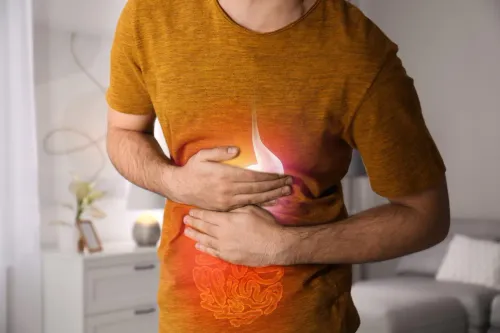
A typical gallstone attack may cause pain in the upper right side of the abdomen or the upper central abdominal area.
The pain may:
- Begin after eating, particularly after a heavy meal
- Become intense within a relatively short period
- Continue for minutes or several hours
- Spread toward the back
- Be felt around the right shoulder blade
- Occur repeatedly over time
Not every episode follows exactly the same pattern, which is why recurring abdominal pain should be clinically assessed rather than self-diagnosed.
Other Symptoms Associated With Gallstones
Gallstones may also be accompanied by digestive symptoms. Patients sometimes report nausea, vomiting, bloating, or discomfort after eating.
Symptoms become more concerning when pain is accompanied by fever, chills, jaundice, or persistent vomiting. These features may suggest inflammation, obstruction, or another complication requiring timely medical attention.
Why Gallstones Form
Gallstones can develop when the substances present in bile become imbalanced or when the gallbladder does not empty effectively.
Several factors may influence gallstone formation, including age, obesity, rapid weight changes, pregnancy, family history, and certain metabolic conditions.
Having a risk factor does not necessarily mean a person will develop gallstones. Similarly, some patients develop stones without obvious risk factors.
How Gallstones Are Diagnosed
Ultrasound is commonly used to examine the gallbladder and identify stones. Blood tests may also be advised when inflammation, infection, or obstruction is suspected.
In selected cases, additional imaging may be required to assess the bile ducts or surrounding structures.
A gastro surgeon interprets these findings together with the patient's symptoms. The presence of stones on an ultrasound does not automatically determine treatment; the overall clinical situation matters.
When Gallbladder Surgery May Be Considered
Patients with gallstones that repeatedly cause pain or complications may be advised to consider gallbladder removal.
Laparoscopic cholecystectomy is a commonly used technique in which the gallbladder is removed through small abdominal incisions with the assistance of a camera and specialized instruments.
The suitability of laparoscopic surgery depends on the patient's condition, medical history, inflammation, previous surgery, and other clinical considerations.
Can People Live Normally Without a Gallbladder
This is a common concern before surgery.
The liver continues producing bile after gallbladder removal. Instead of being stored in the gallbladder, bile flows directly into the digestive system. Many patients are able to return to their usual diet gradually, although individual recovery and dietary tolerance can vary.
Repeated Pain Deserves Proper Evaluation
Taking painkillers whenever an episode occurs may temporarily reduce discomfort without addressing its underlying cause. Repeated upper abdominal pain should therefore not simply be assumed to be acidity or indigestion.
Dr Chirag Vaja evaluates gallbladder and other gastro surgical conditions for patients in Kamothe. Clinical examination and appropriate investigations can help distinguish gallstone-related symptoms from other causes of abdominal discomfort.
Understanding the reason behind recurring pain is the first step toward making an informed treatment decision. When gallstones are responsible, the timing and type of treatment should be determined according to symptoms, investigations, and individual surgical assessment.
Keywords